

Navigating the Digital World Safely for Our Youth
Providing resources on online safety, covering essential topics such as social media safety, cyberbullying prevention, and strategies for maintaining healthy digital habits and preventing digital addiction.
Navigating the Digital World Safely for Our Youth
Providing resources on online safety, covering essential topics such as social media safety, cyberbullying prevention, and strategies for maintaining healthy digital habits and preventing digital addiction.
Understanding “Digital Drugs”: Screen Time and Your Family
How it affects the Brain
01
How it affects the brain
Our brains naturally release a chemical called dopamine when we experience something positive, like achieving a goal or laughing with a friend.
- The Notification Rush: Every “like”, text message, or game level-up delivers a tiny, instant reward.
- The Endless Scroll: Features like auto-play and infinite feeds exploit curiosity, making it incredibly hard for a developing brain to hit pause.
- The Baseline Shift: Over time, young brains can become desensitized to regular, everyday joys, requiring more screen time just to feel a baseline level of happiness.
02
Signs to Watch For: Is It Time for a Break?
Every child uses technology, but when screen use begins to disrupt their daily life, it may be a sign of digital dependency.
- The Off-Screen Mood: Noticeable irritability, anxiety, or emotional outbursts when devices are put away.
- The Late-Night Scroll: Staying awake past bedtime to check notifications, leading to chronic daytime exhaustion.
- The Disappearing Hobbies: Gradually losing interest in sports, outdoor activities, or face-to-face friendships they used to love.
- The Digital Fog: Finding it difficult to focus on homework, chores, or family conversations without checking a phone.
03
Why This Matters for Ketchikan Families
Living in our beautiful, close-knit island community brings unique joys, but our rainy seasons and geographic isolation can make screens an easy default.
- The Island Default: Geographic isolation and long, rainy seasons make indoor screen time an easy fallback for youth.
- The Isolation Risk: Replacing physical, face-to-face community connections with empty digital validation deeply increases youth loneliness.
- Early Identification: Catching negative screen cycles early allows us to proactively protect our children’s mental health.
- Emotional Resilience: Creating digital boundaries helps children develop real-world coping skills and stronger offline relationships.
- Balanced Technology: Reclaiming screen habits ensures devices stay helpful for learning instead of acting as a barrier to a healthy life.
By identifying these digital patterns early, we can protect our children’s mental health, strengthen their emotional resilience, and ensure that technology remains a helpful tool for learning—not a barrier to a happy, healthy life!
Discover Helpful Resources Below
Resources
Evidence-based Prevention Program
Crystal Collier, PhD, LPC-S Therapist, Prevention Researcher, Educator Website: www.drcrystalcollier.com Book Website: https://neurowhereaboutsguide.com/ Prevention Website: https://knowyourneuro.org/

Parental Controls for Families
www.bark.us Comprehensive digital safety platform that uses advanced artificial intelligence to help parents monitor content, manage screen time, filter websites, and track their child's location.
Education & Resources
National non-profit organization dedicated to equipping parents and caregivers with the education and resources needed to address the tough challenges facing today's youth, from pre-teens through high school.

Educational Prevention Resources
Educational organization providing resources for parents and educators to secure children's digital environments, advocating for age-appropriate technology use. The platform offers parental control guides, app safety reviews, and advocacy initiatives like #DelayIsTheWay.

Computer Headquarters (CHQ) Cybersecurity Education
Southeast Alaska-based managed IT services and cybersecurity provider that offers free online security guides for families (such as spotting social media scams), business cybersecurity training, and community workshops covering phishing prevention, two-factor authentication, and methods for protecting children’s data online.

Digital Safety Platform
Digital safety platform providing resources for parents and educators to help K-12 students navigate online threats, social media, and gaming. The site offers expert-led video guides, app explanations, and parental control tutorials to enhance digital literacy, as well as a curriculum for schools. Learn more at Parent ProTech.
By identifying these digital patterns early, we can protect our children’s mental health, strengthen their emotional resilience, and ensure that technology remains a helpful tool for learning—not a barrier to a happy, healthy life!
Discover Helpful Resources Below
Resources
Evidence-based Prevention Program
Crystal Collier, PhD, LPC-S Therapist, Prevention Researcher, Educator Website: www.drcrystalcollier.com Book Website: https://neurowhereaboutsguide.com/ Prevention Website: https://knowyourneuro.org/
Parental Controls for Families
www.bark.us Comprehensive digital safety platform that uses advanced artificial intelligence to help parents monitor content, manage screen time, filter websites, and track their child's location.
Education & Resources
National non-profit organization dedicated to equipping parents and caregivers with the education and resources needed to address the tough challenges facing today's youth, from pre-teens through high school.
Educational Prevention Resources
Educational organization providing resources for parents and educators to secure children's digital environments, advocating for age-appropriate technology use. The platform offers parental control guides, app safety reviews, and advocacy initiatives like #DelayIsTheWay.
Computer Headquarters (CHQ) Cybersecurity Education
Southeast Alaska-based managed IT services and cybersecurity provider that offers free online security guides for families (such as spotting social media scams), business cybersecurity training, and community workshops covering phishing prevention, two-factor authentication, and methods for protecting children’s data online.
Digital Safety Platform
Digital safety platform providing resources for parents and educators to help K-12 students navigate online threats, social media, and gaming. The site offers expert-led video guides, app explanations, and parental control tutorials to enhance digital literacy, as well as a curriculum for schools. Learn more at Parent ProTech.
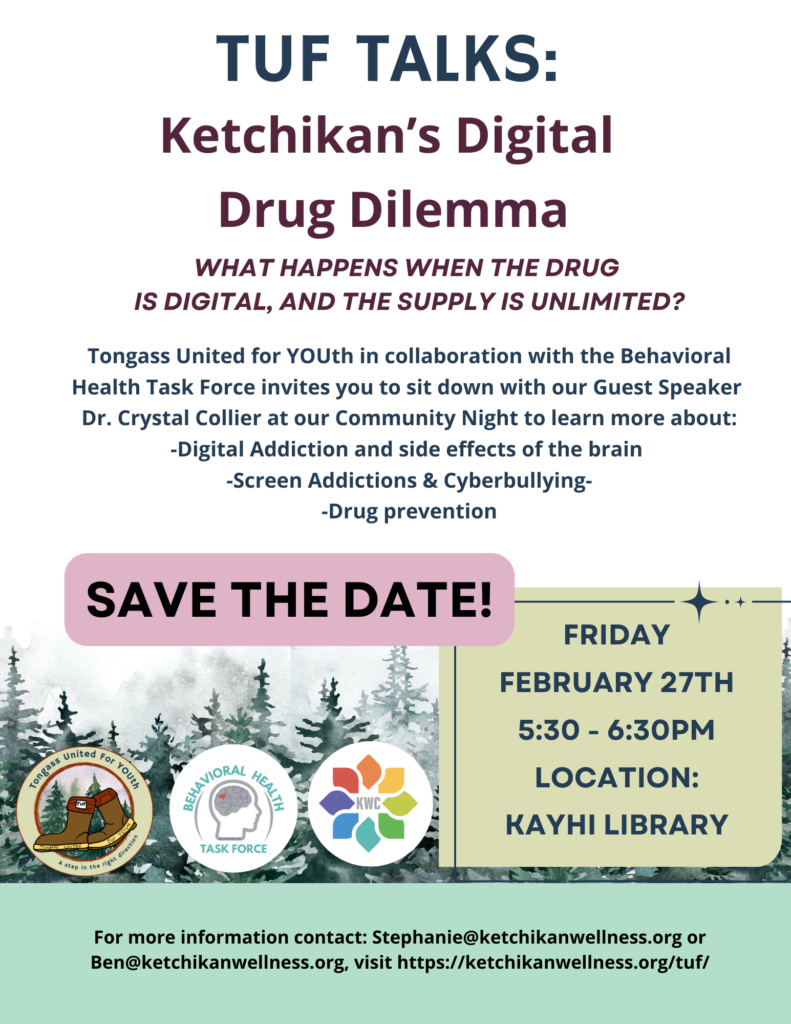
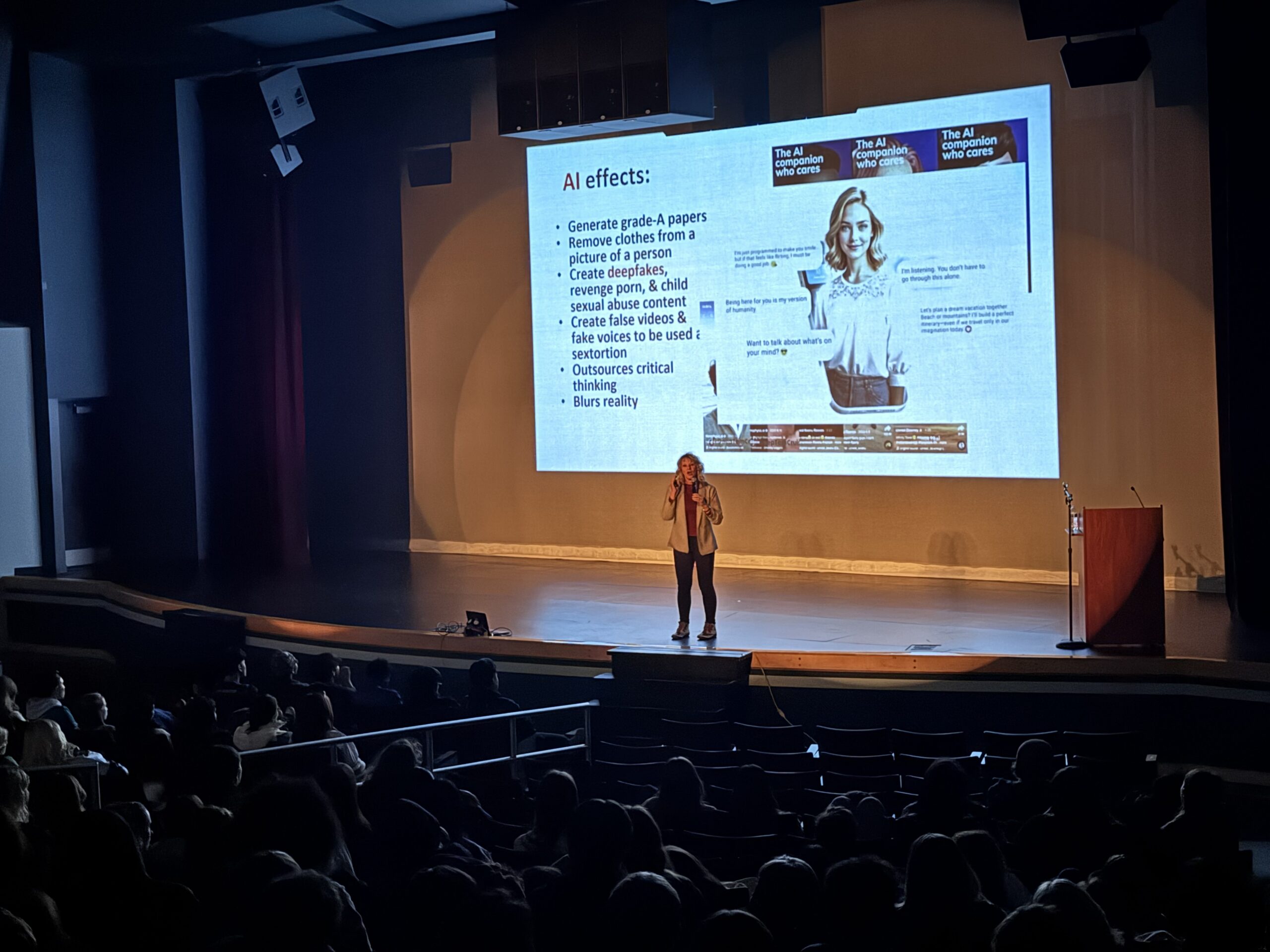
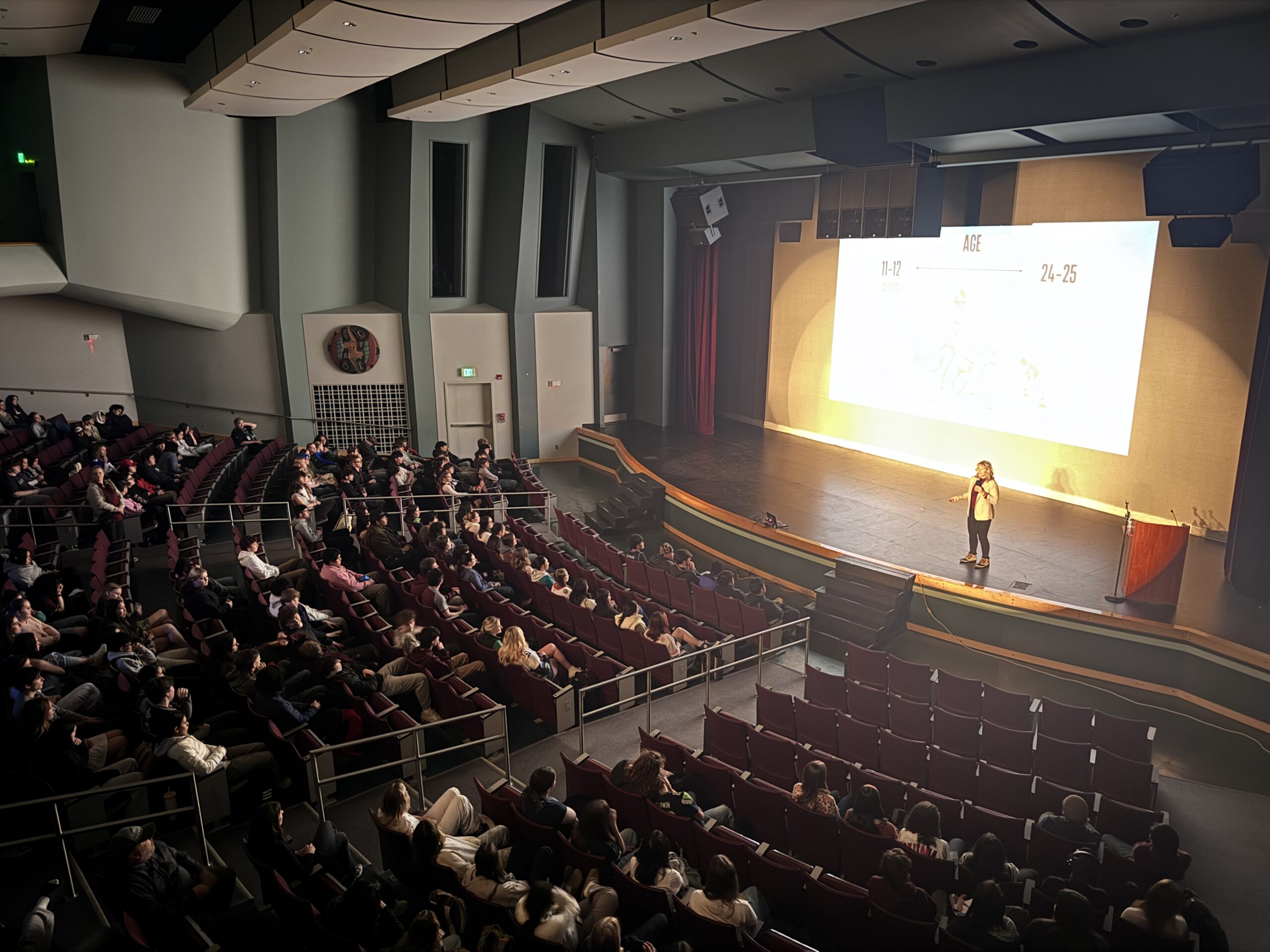
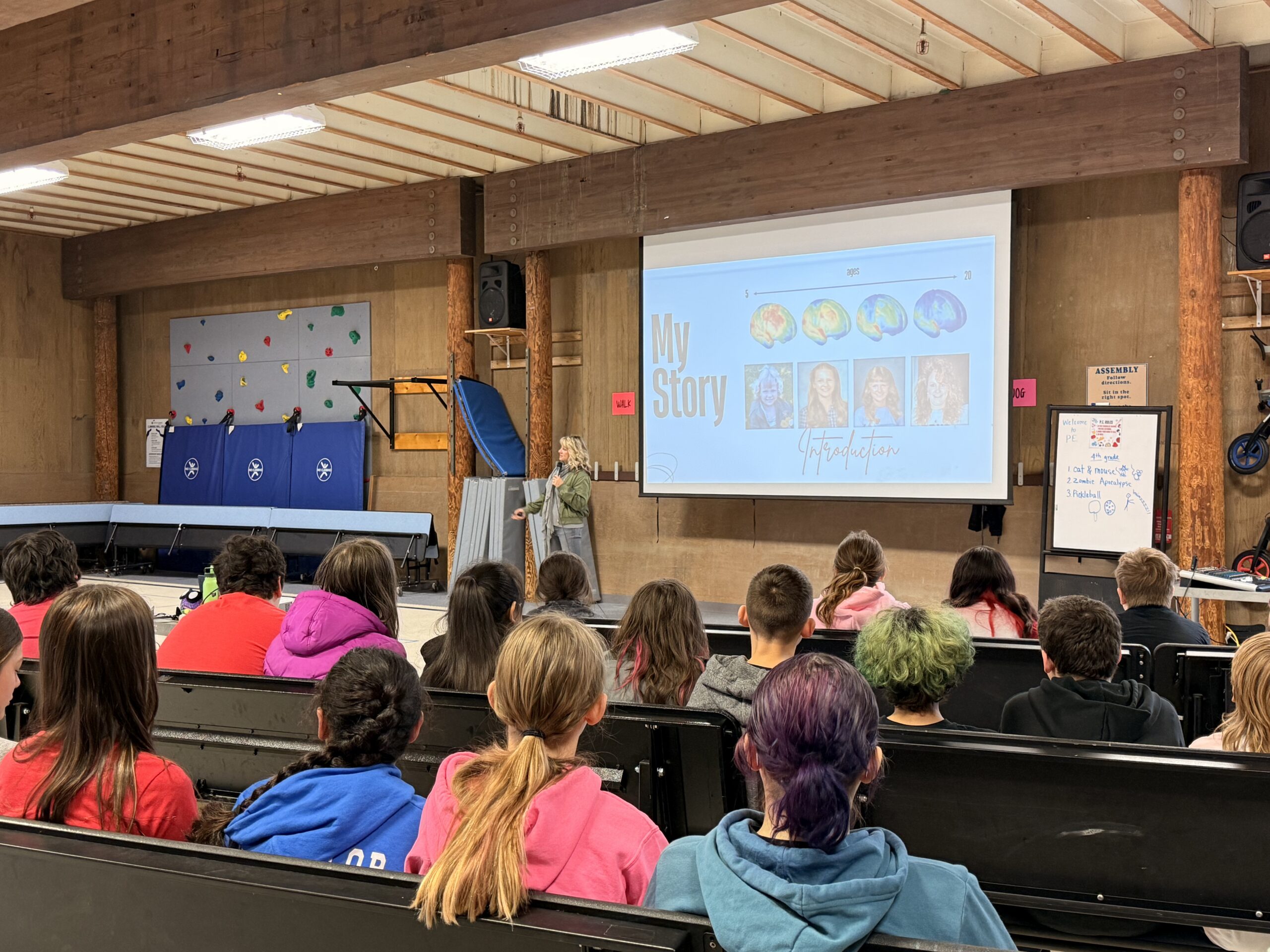
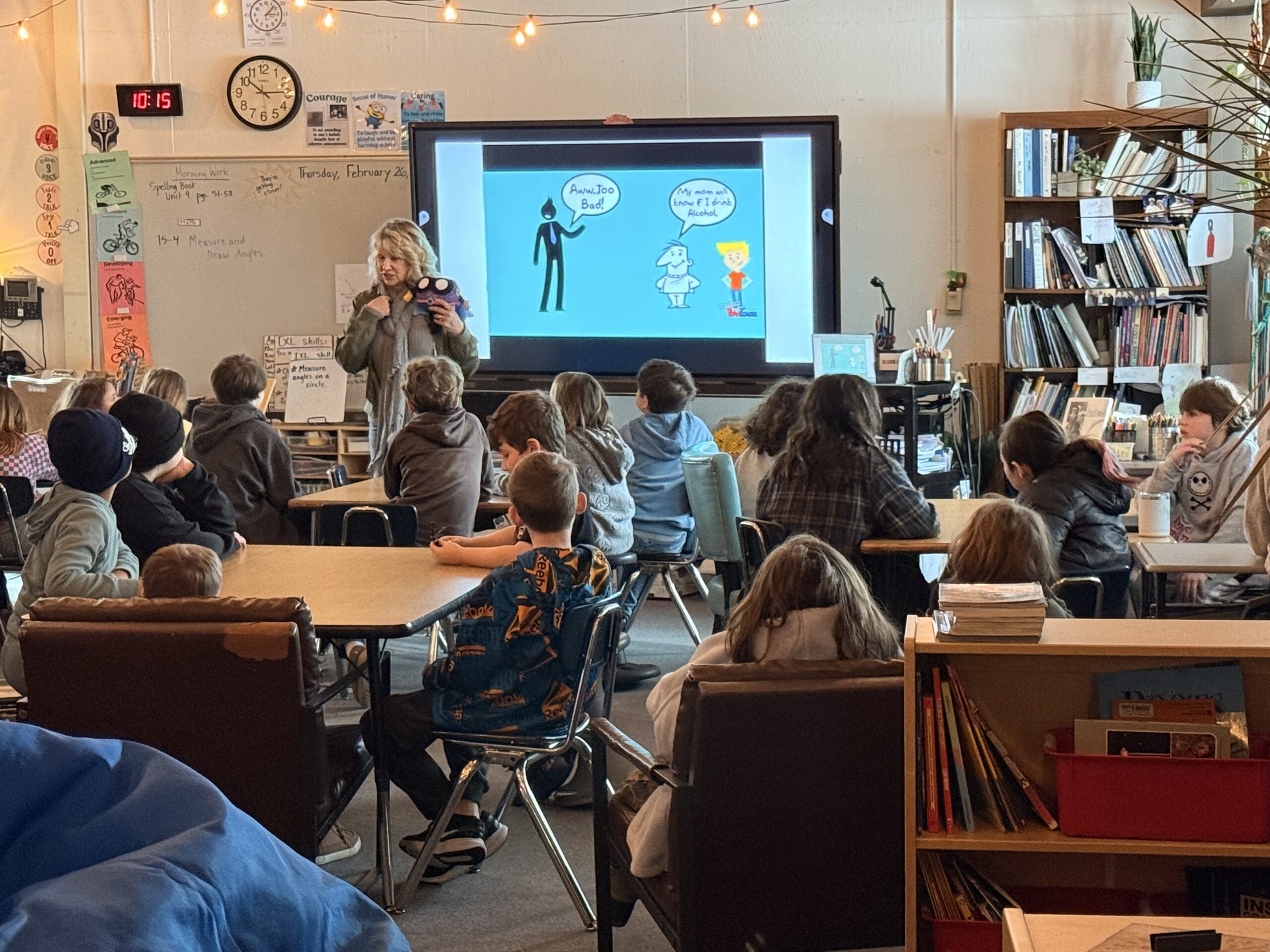
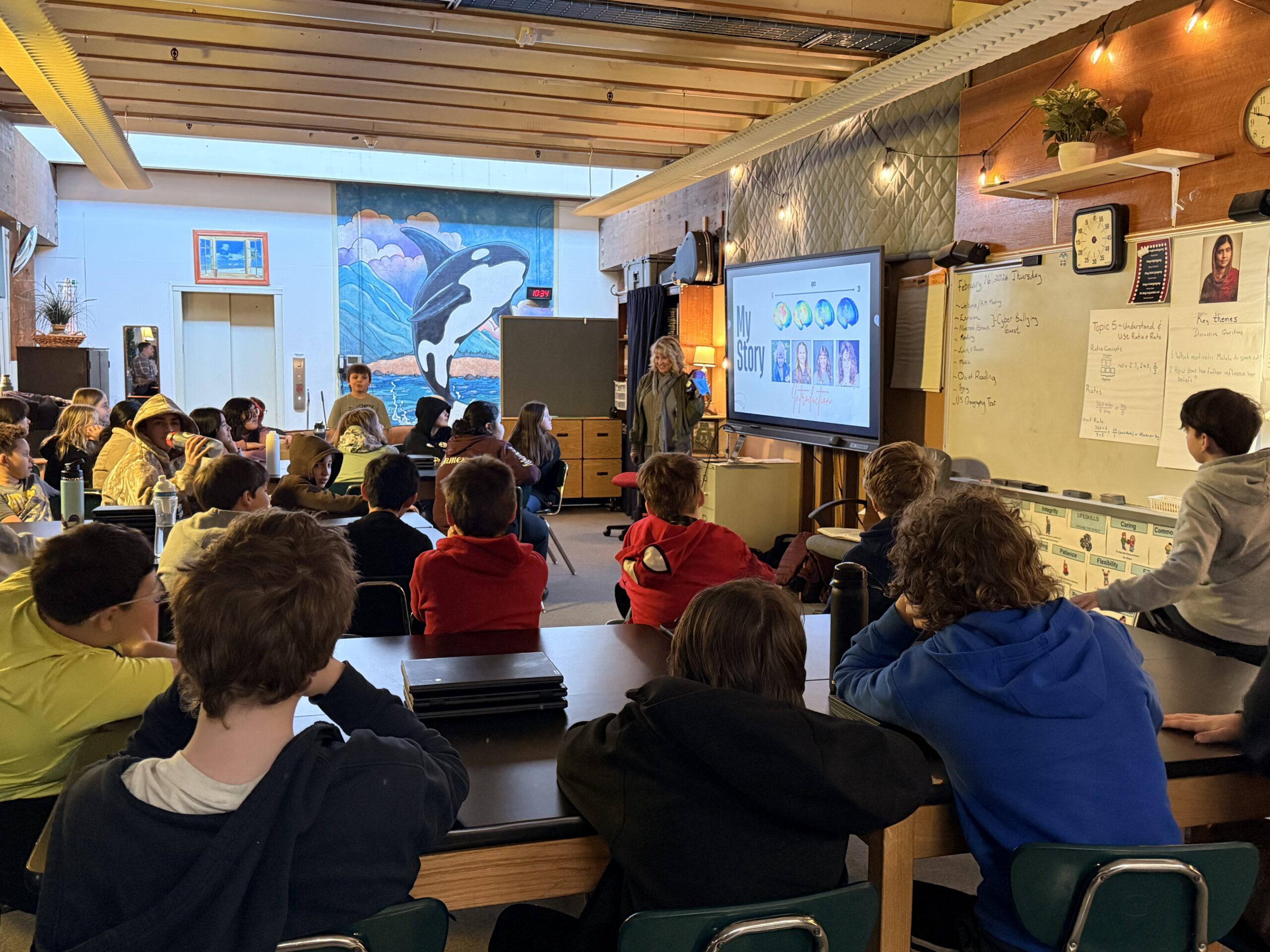
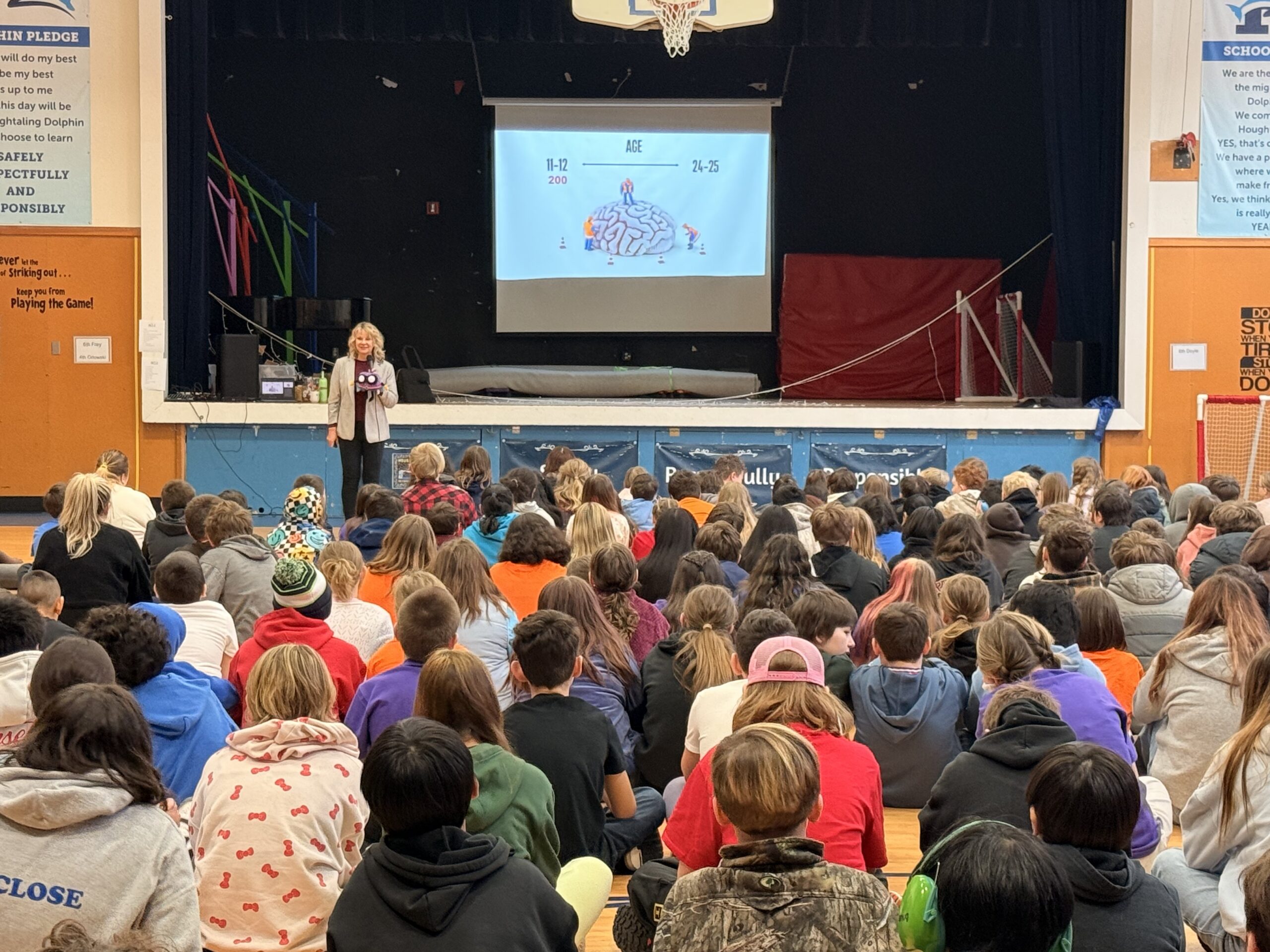
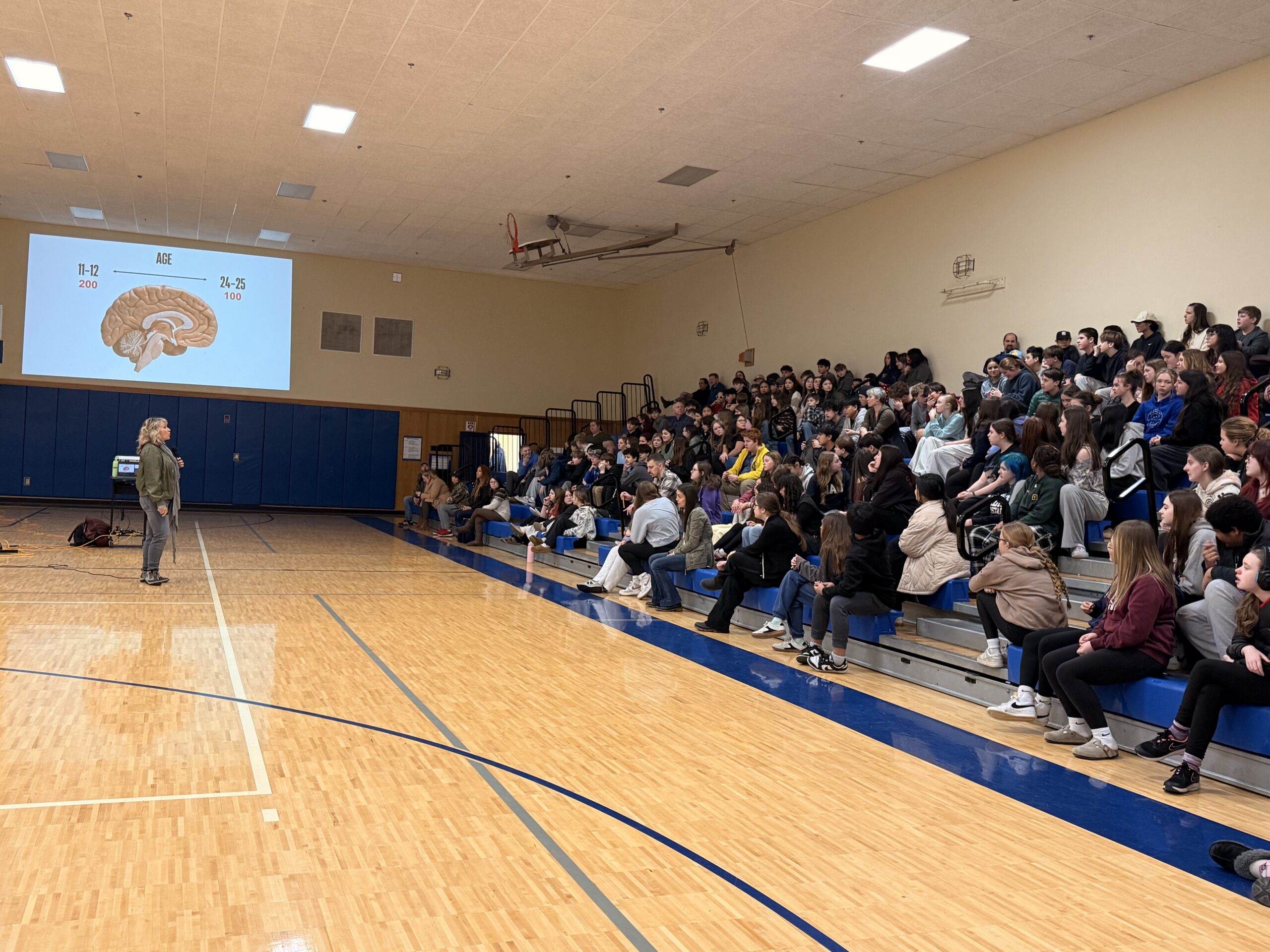
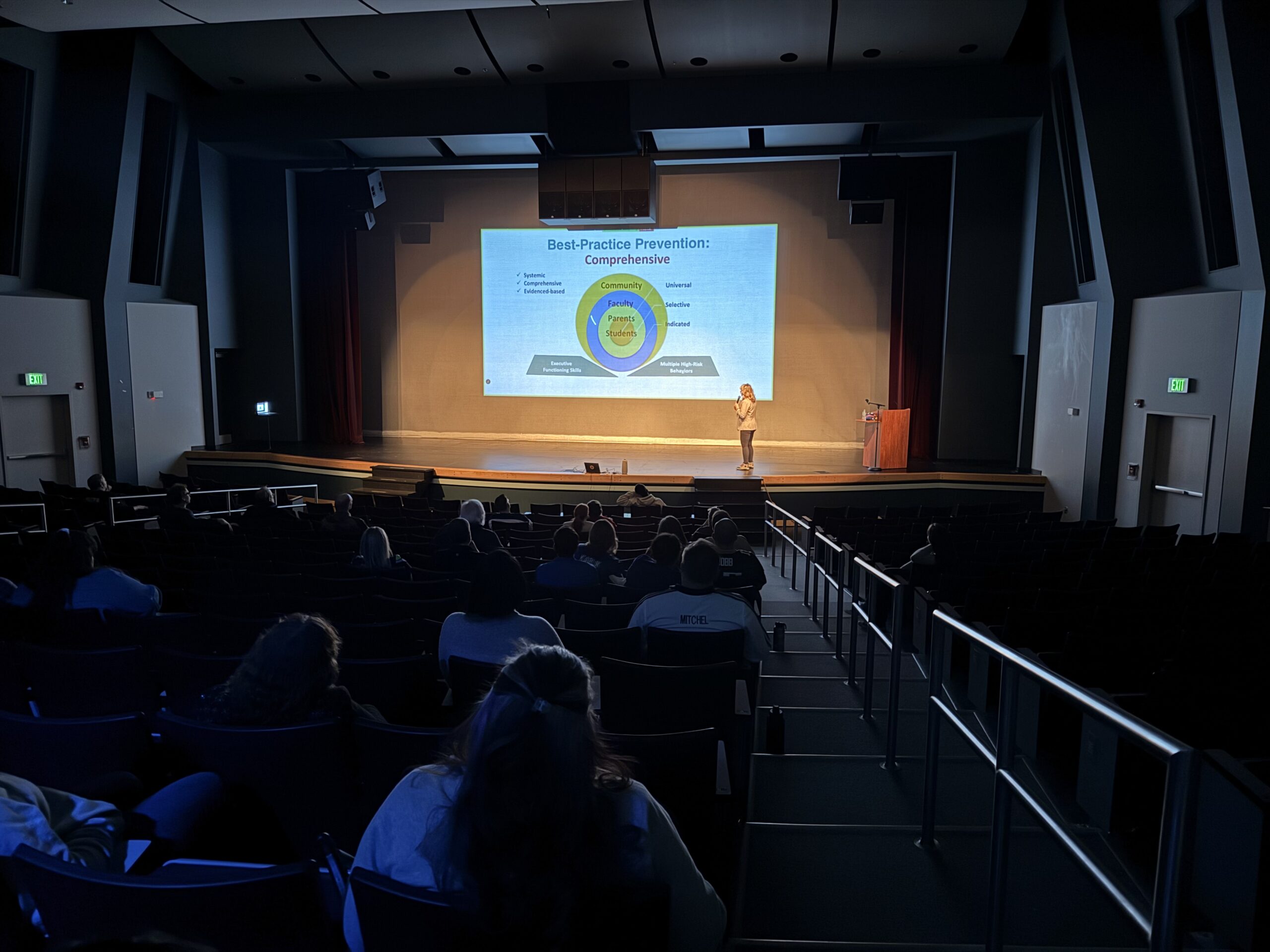
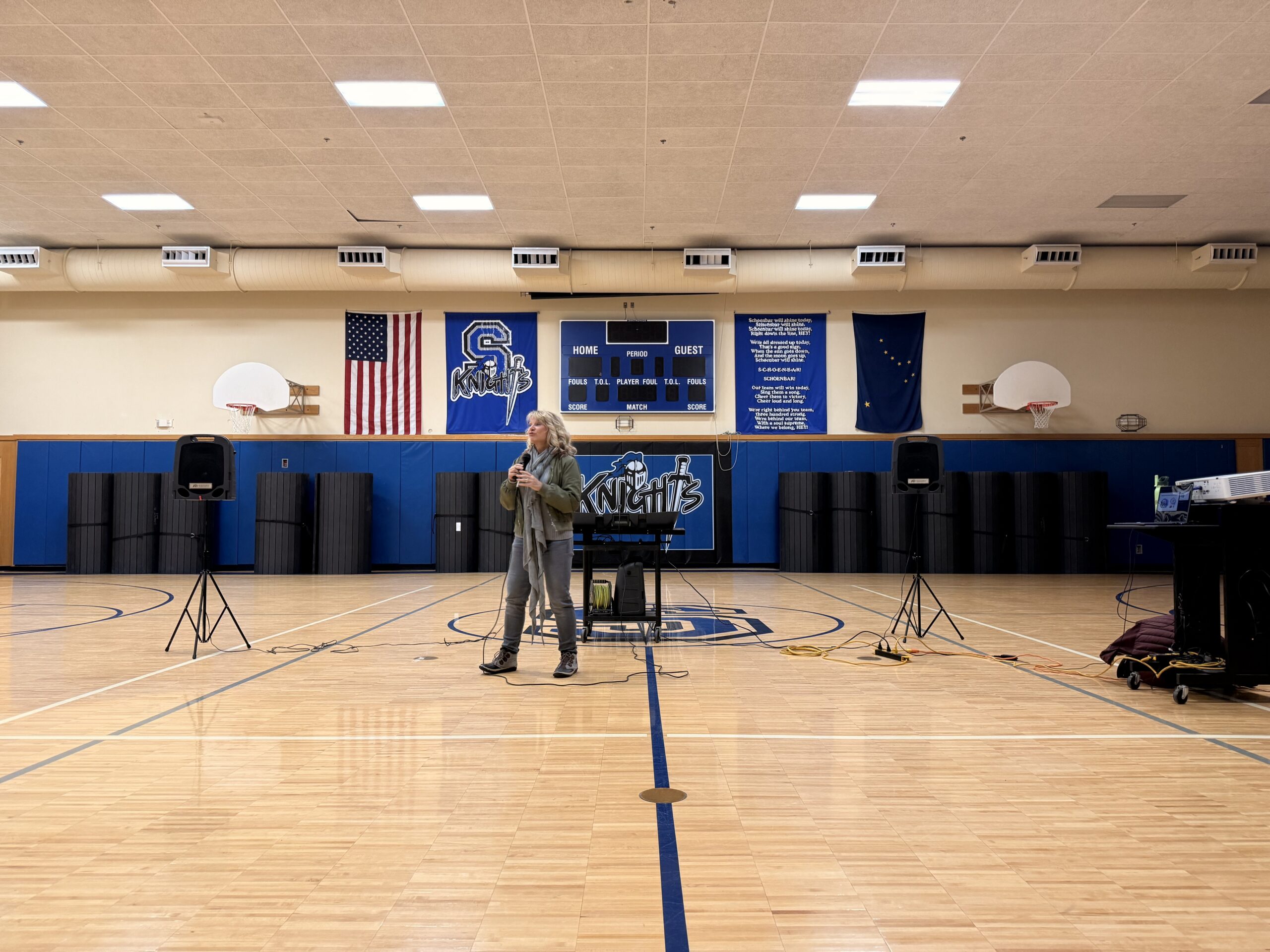
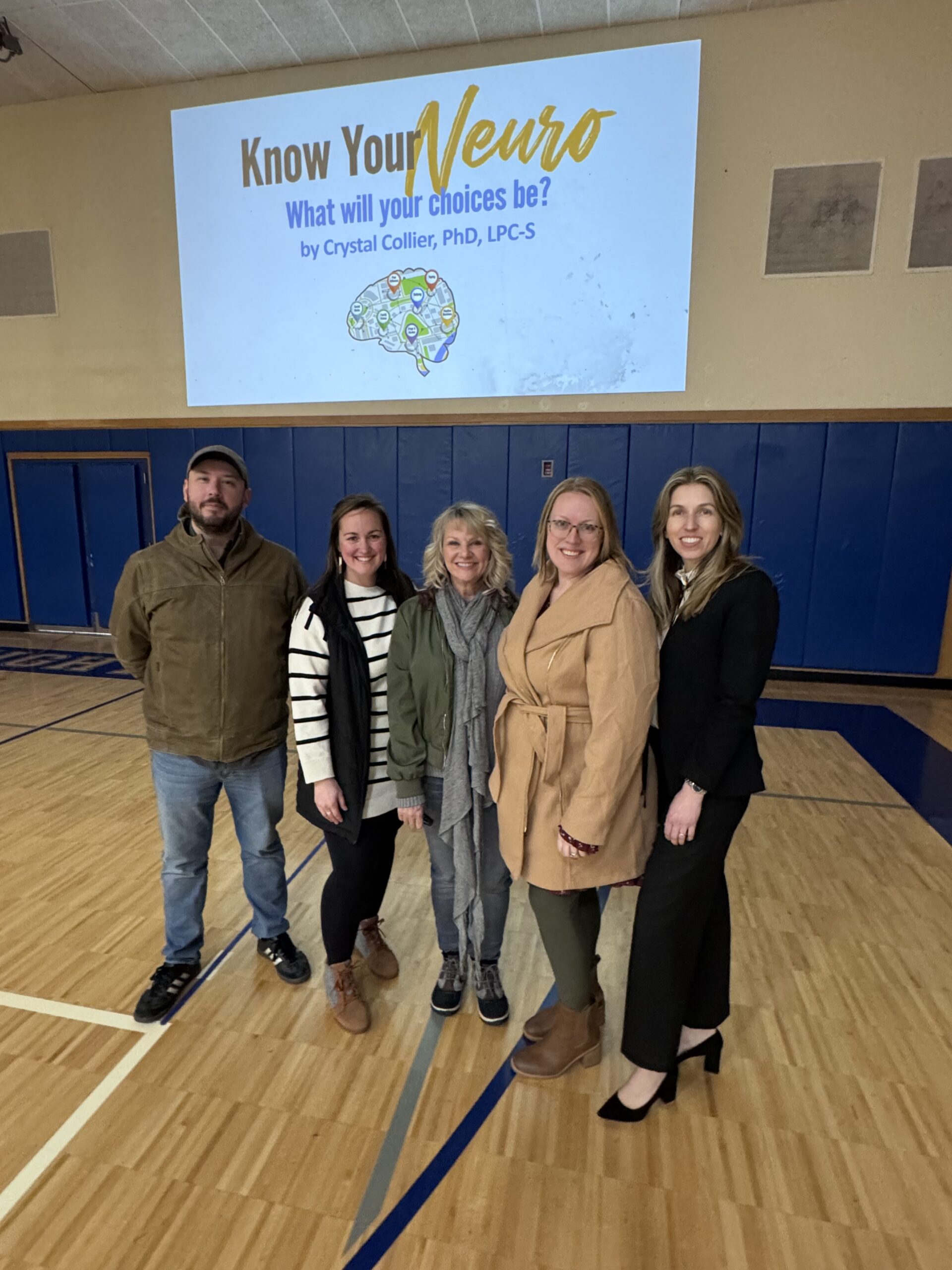
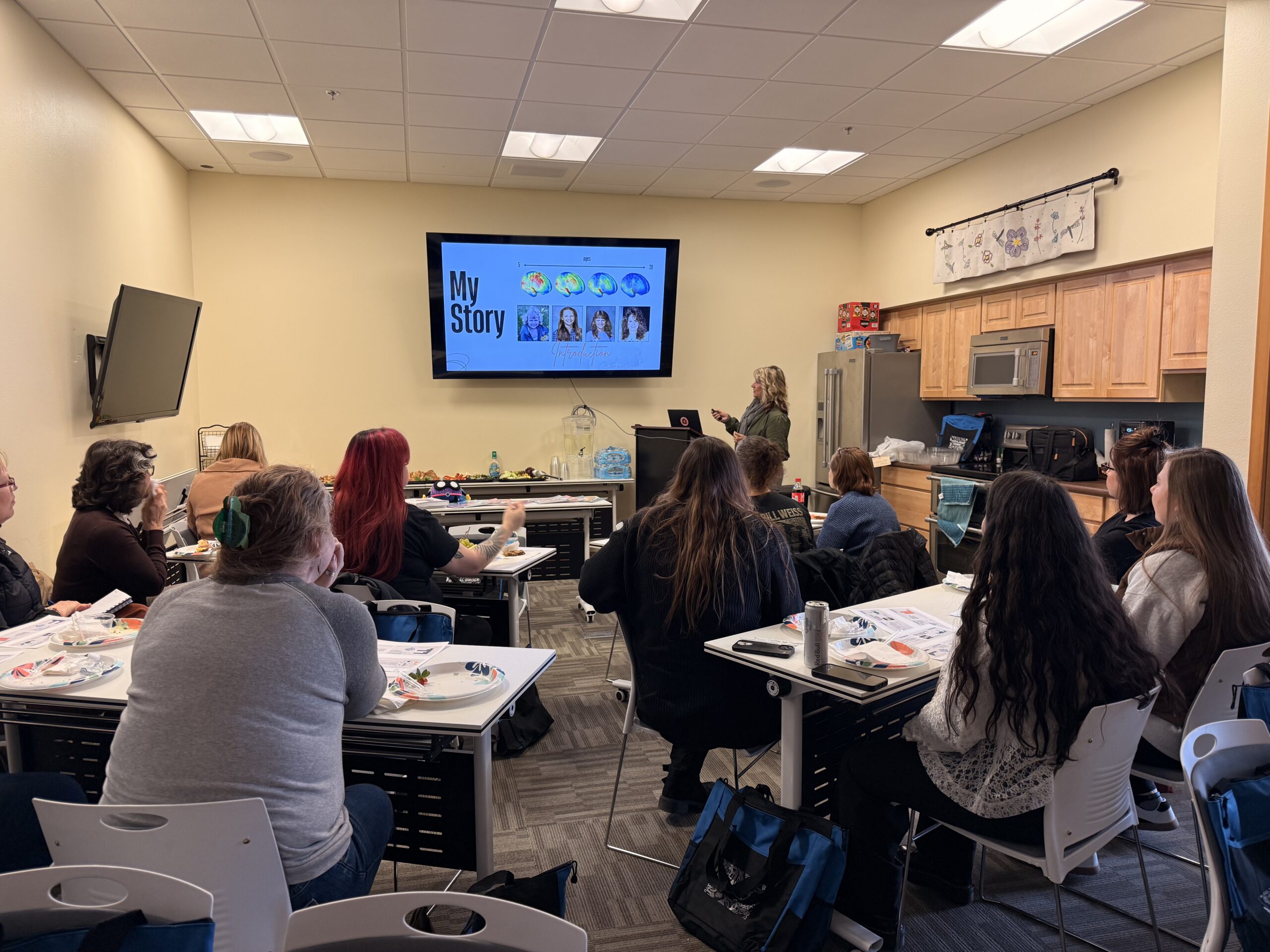
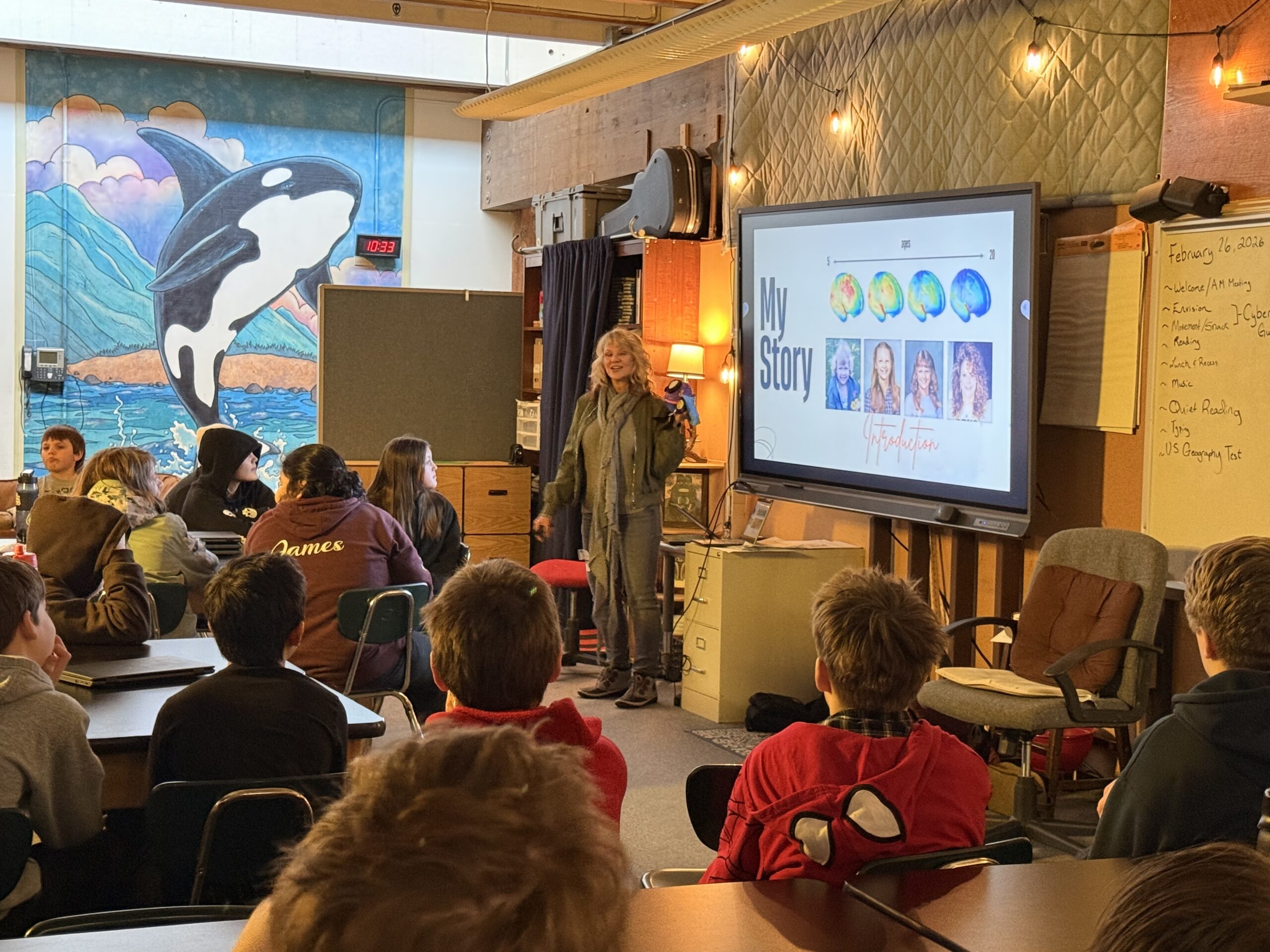
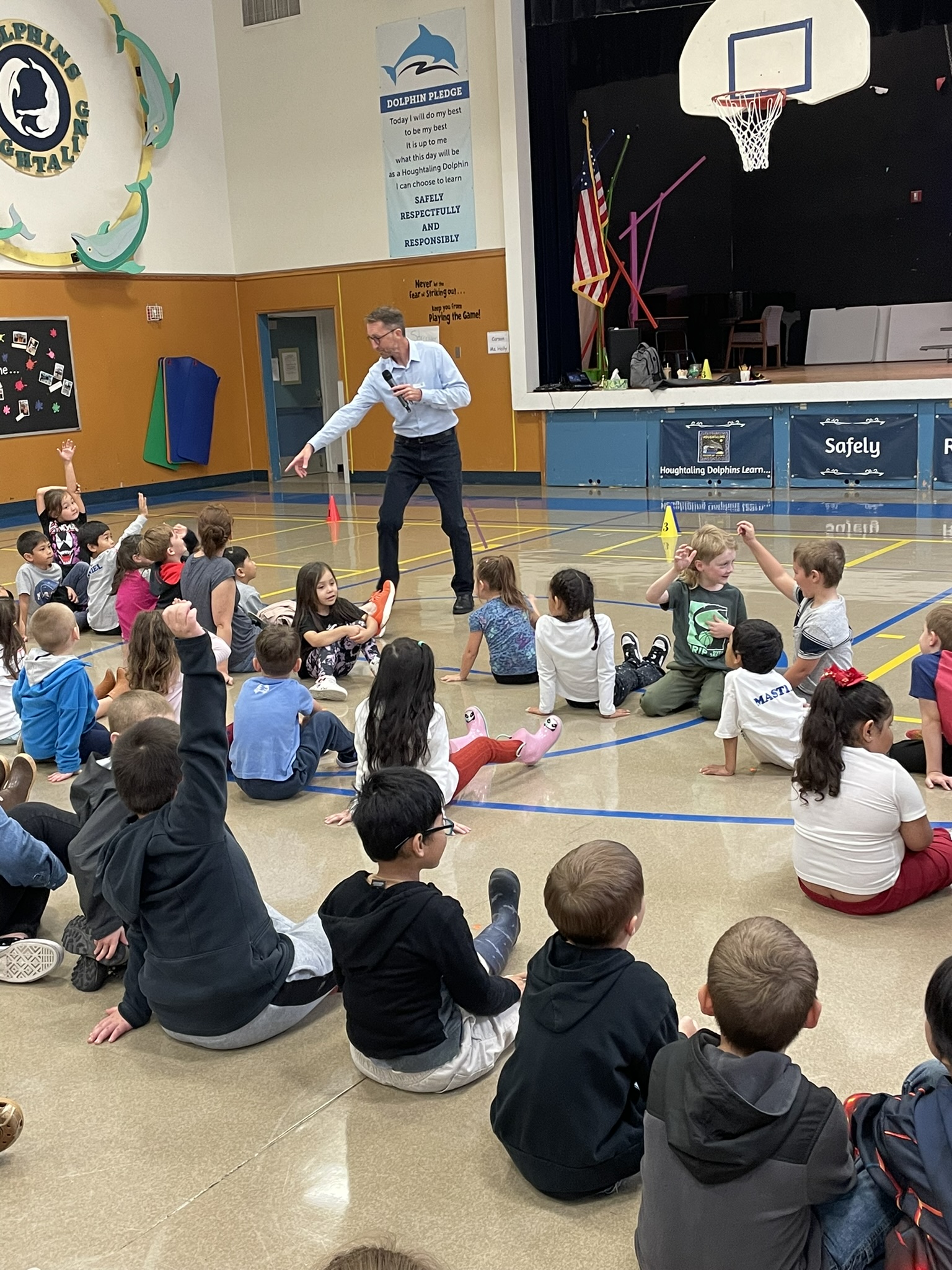
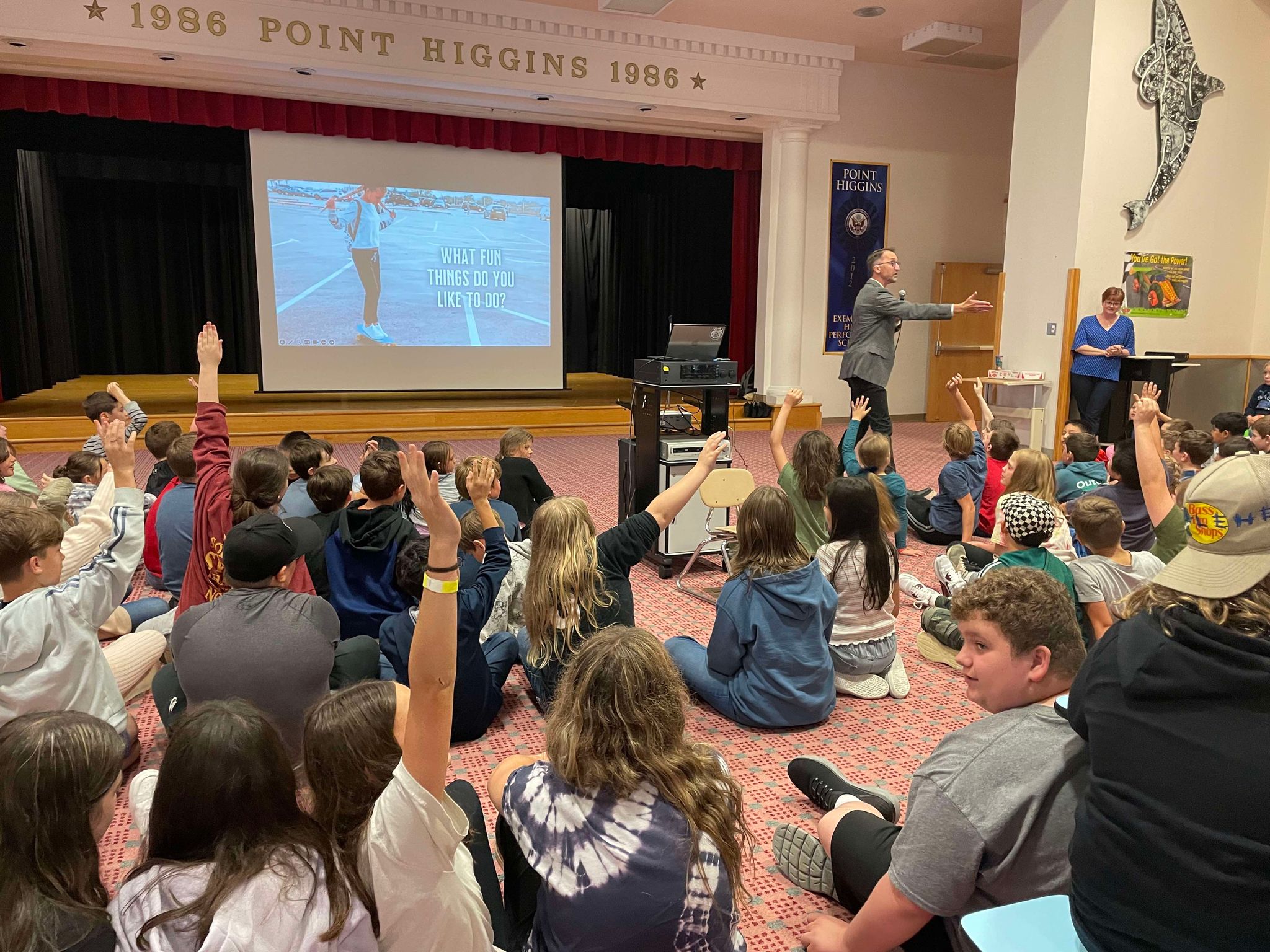
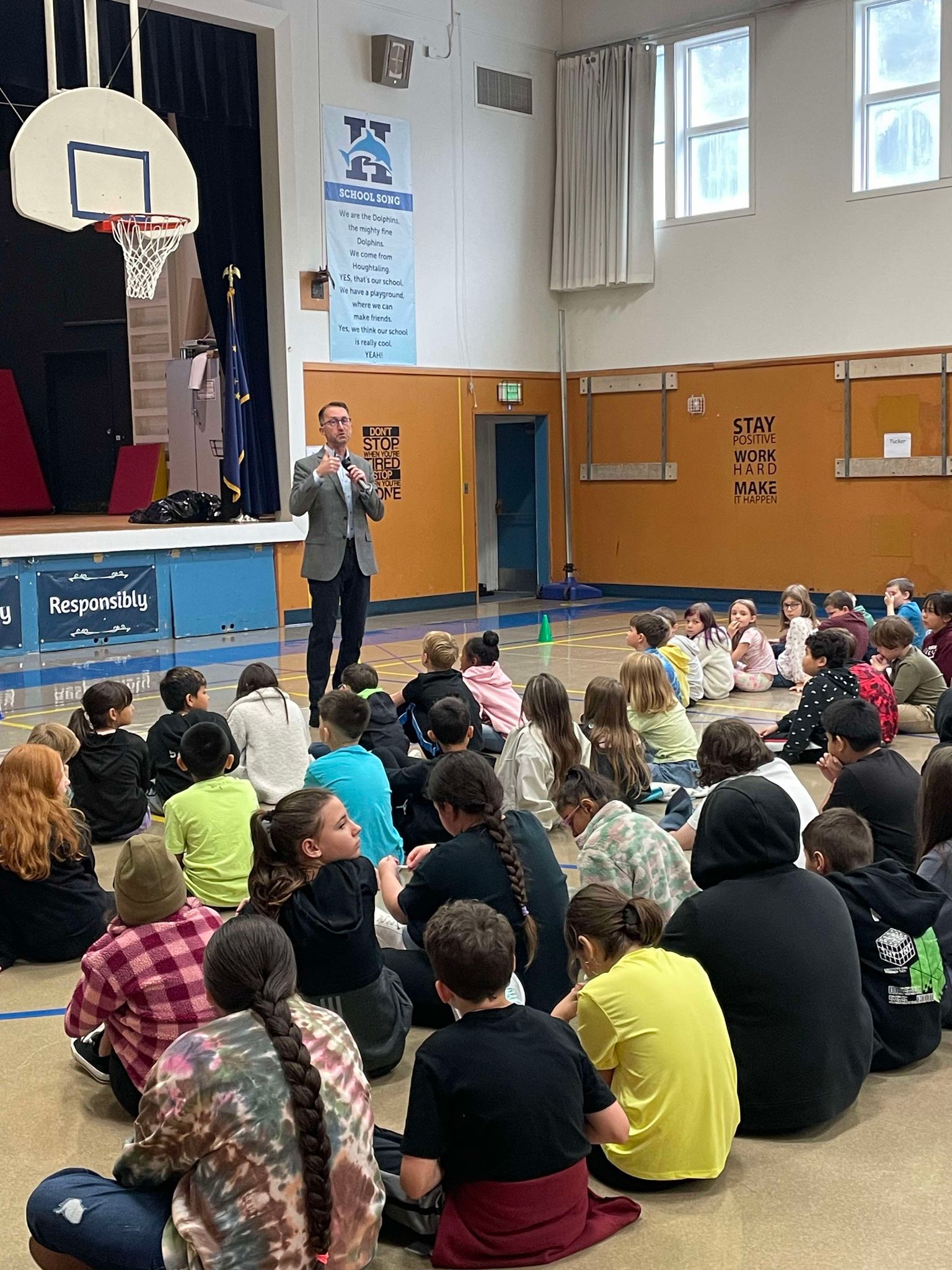
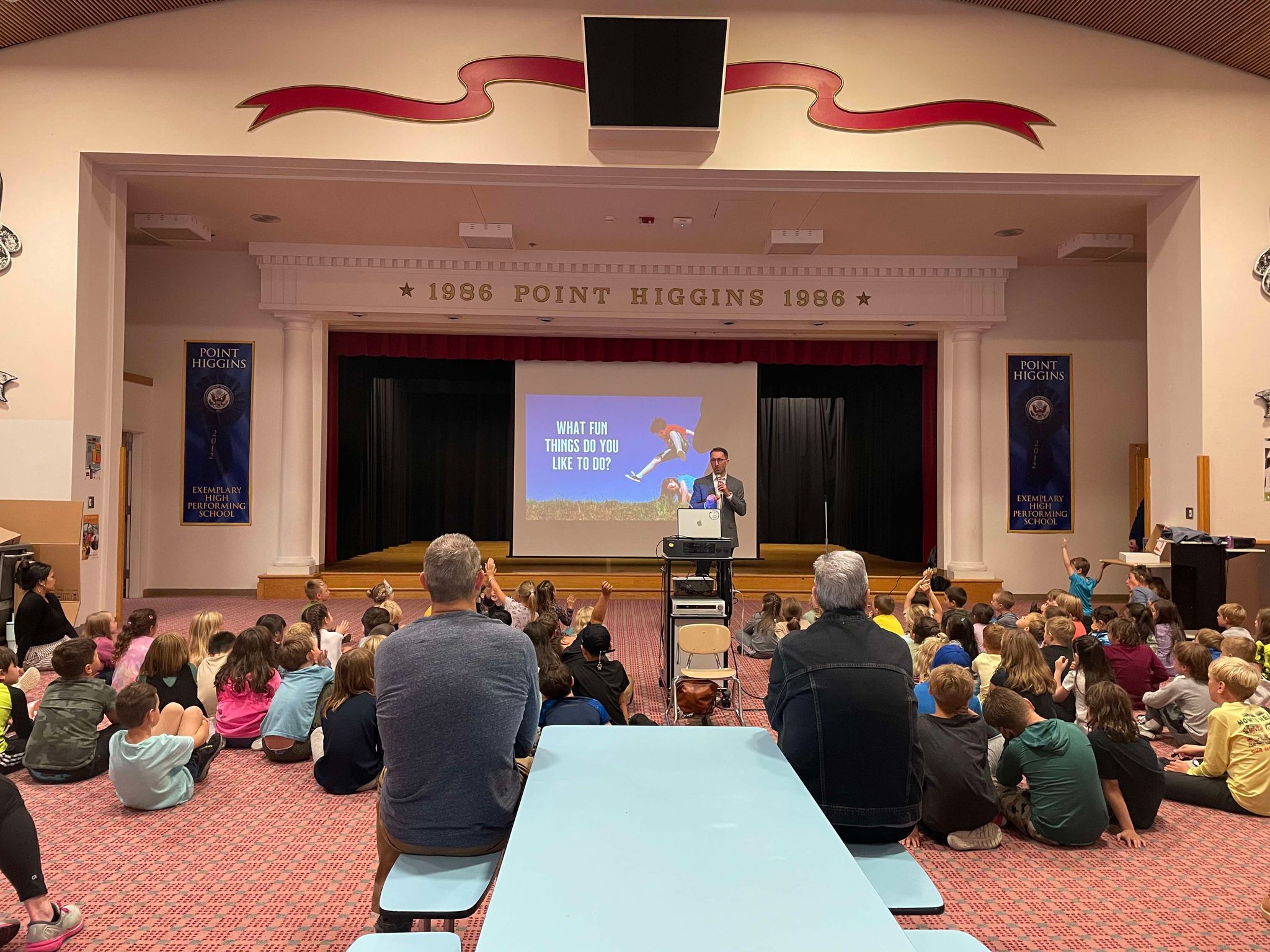
The Ketchikan Wellness Coalition (KWC) recently welcomed back renowned youth prevention expert Dr. Crystal Collier to our community for another round of vital educational sessions.

2026
The Ketchikan Wellness Coalition (KWC) recently welcomed back renowned youth prevention expert Dr. Crystal Collier to our community for another round of vital educational sessions.
Highlights from her return included:
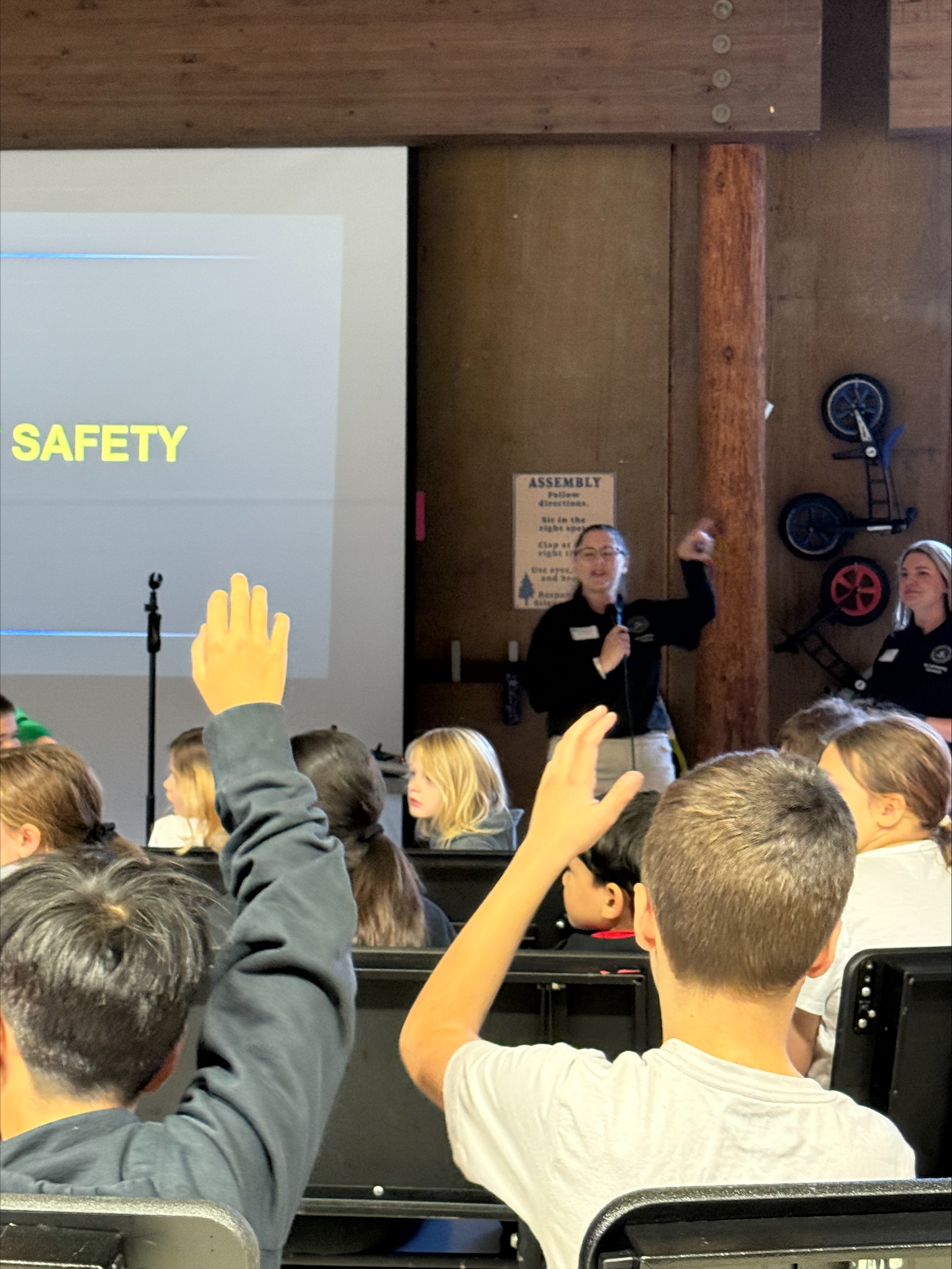
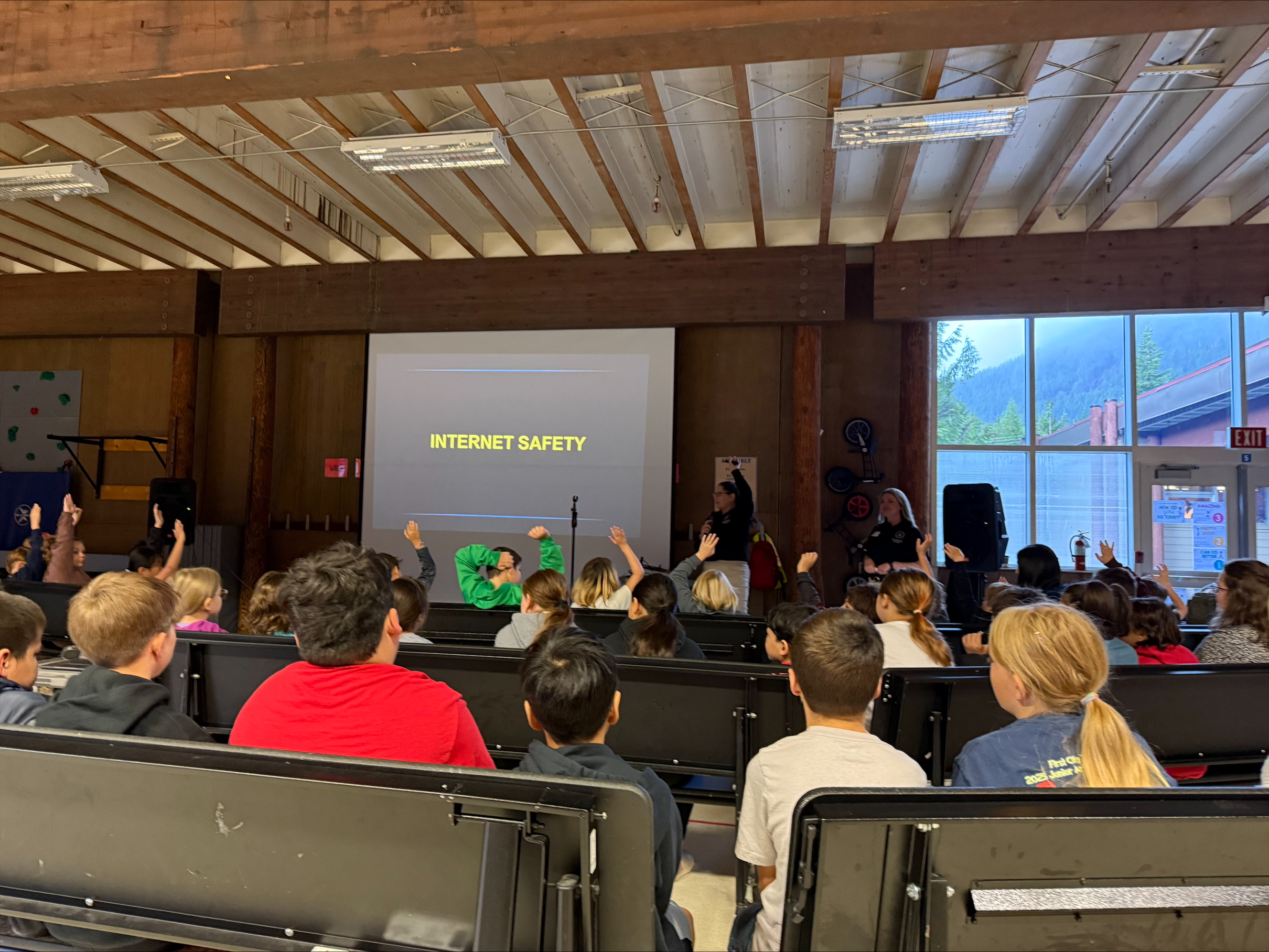
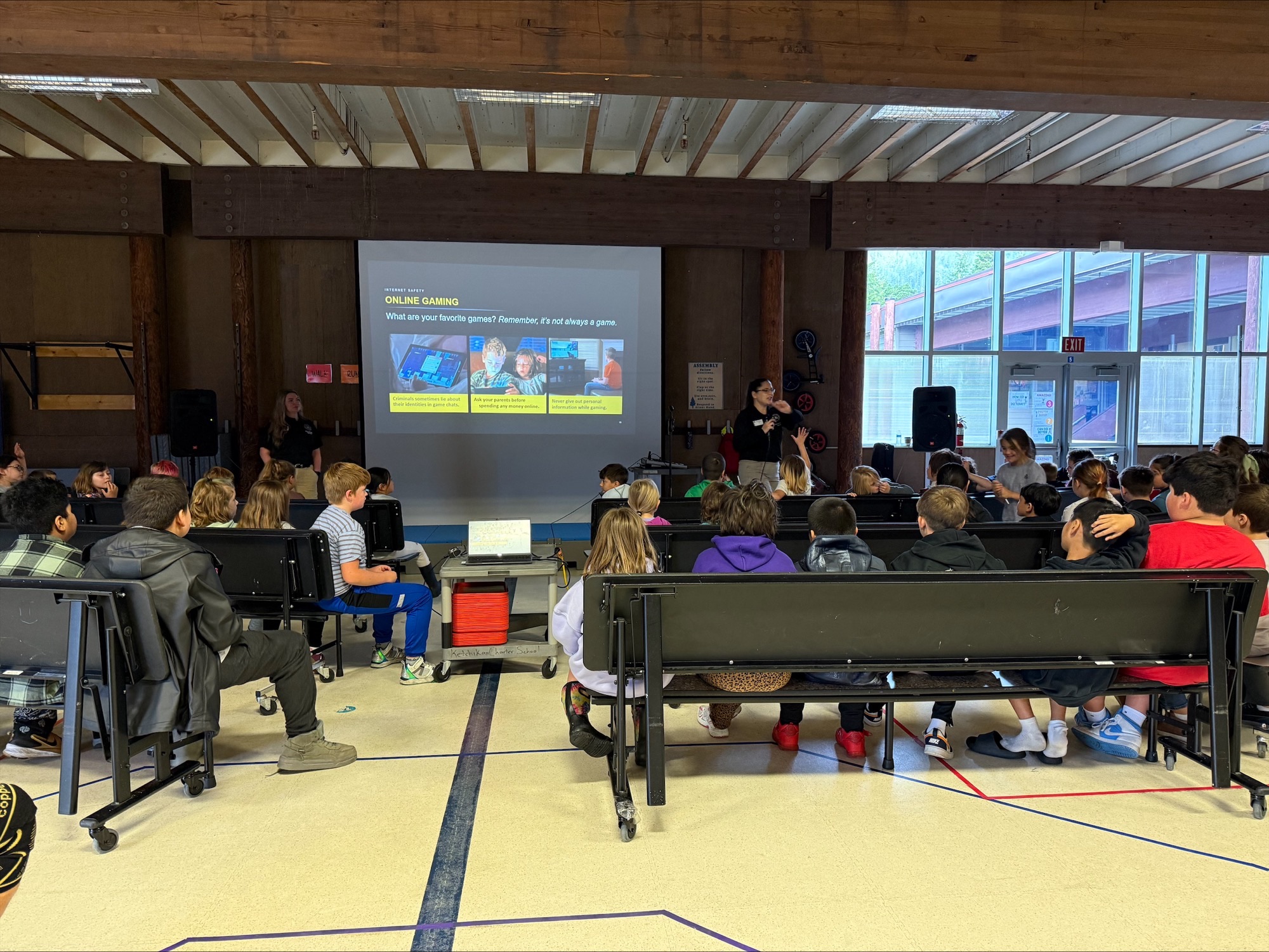
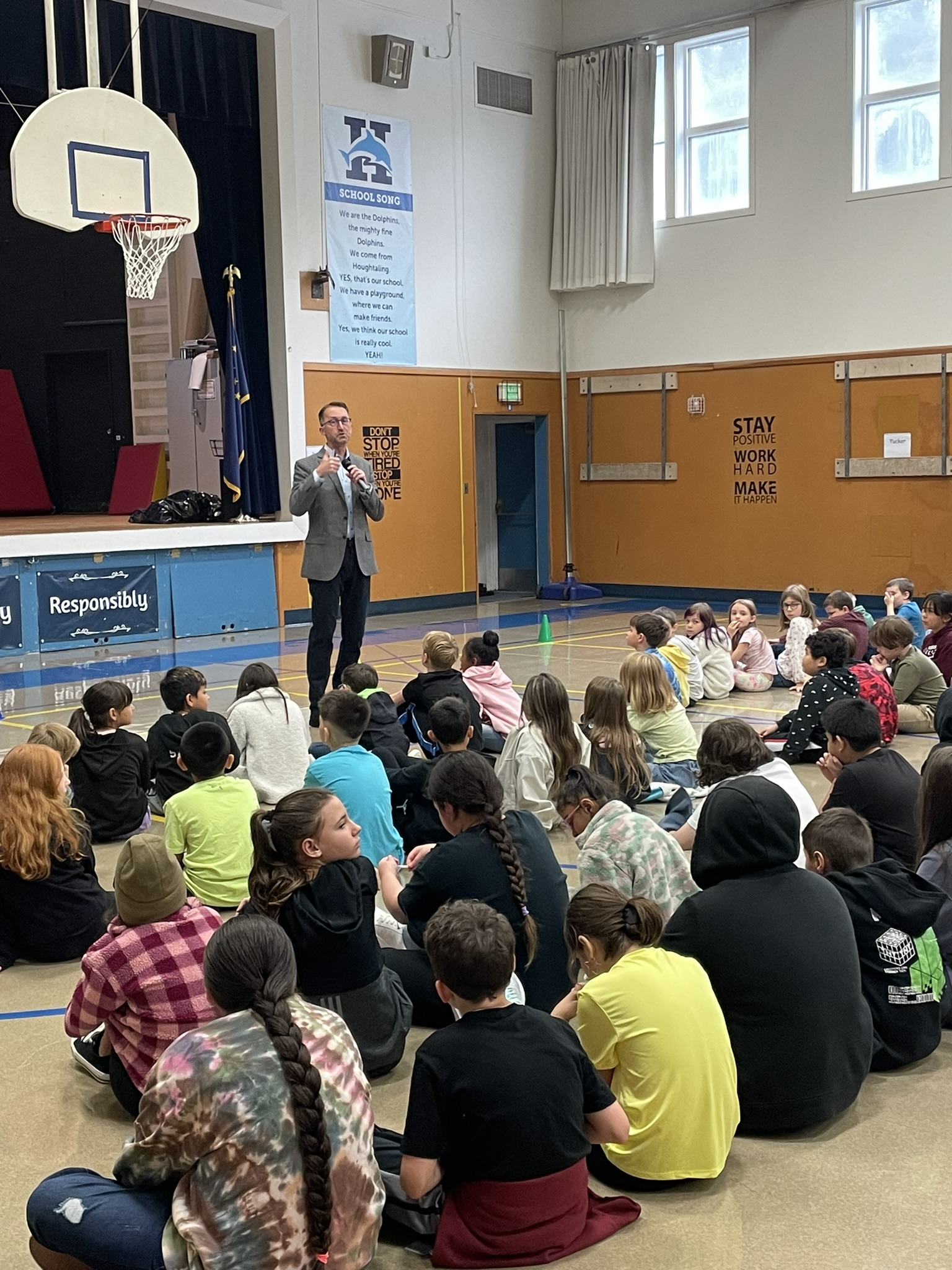
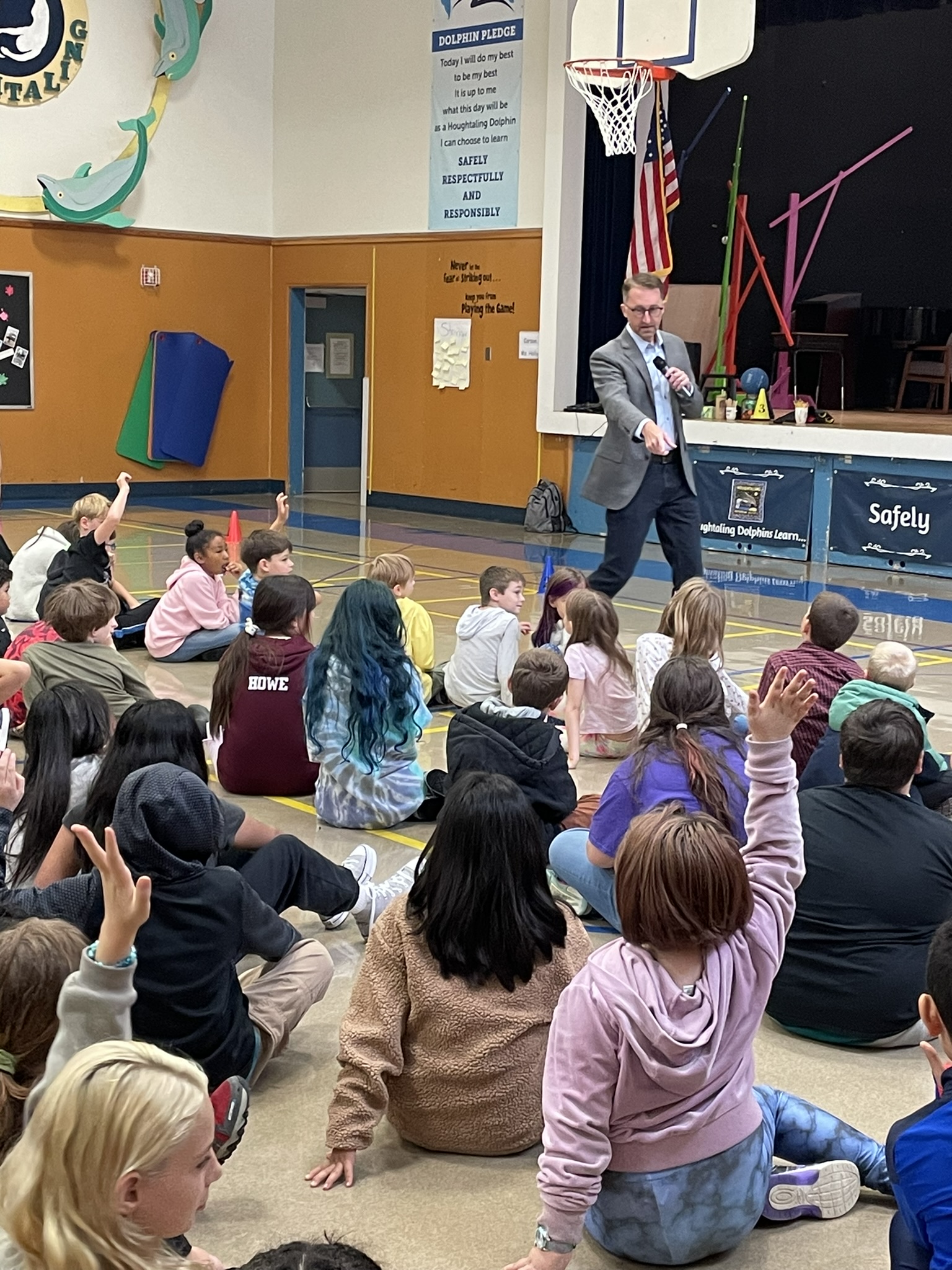
- In-School Youth Presentations: Tailored, age-appropriate sessions that engaged elementary, middle, and high school students across the district.
- Brain Health Literacy: Direct education on how high-risk behaviors and excessive screen time impact executive brain function.
- Community Night for Adults: A dedicated evening session that provided parents, educators, and trusted mentors with actionable strategies and tech-boundary tools.

2024
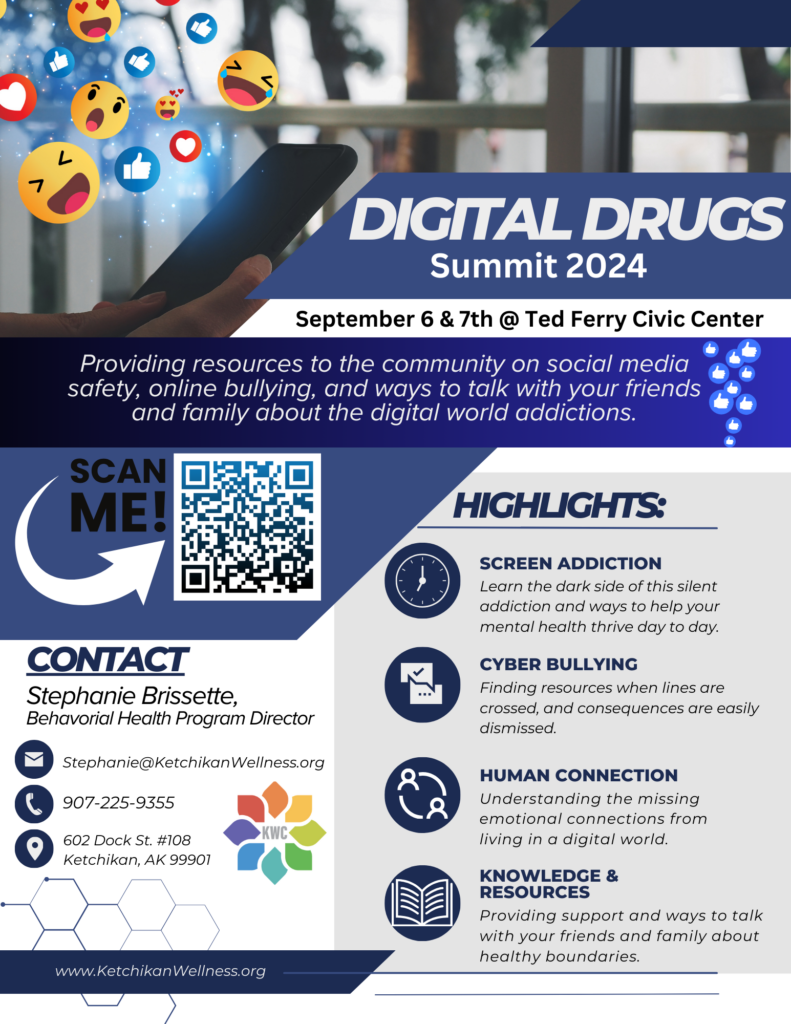
Digital Drugs Summit
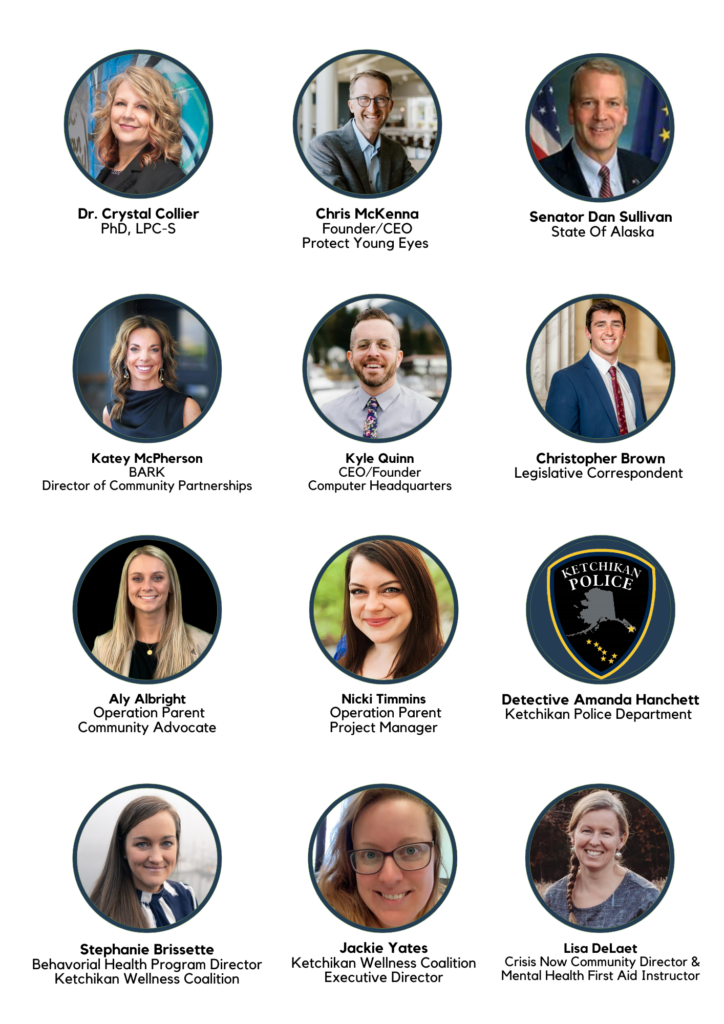
Key focus areas and events included:
- Expert Speakers: Nationally recognized experts like Dr. Crystal Collier held engaging insights on brain development, screen time, and how constant digital access affects developing brains.
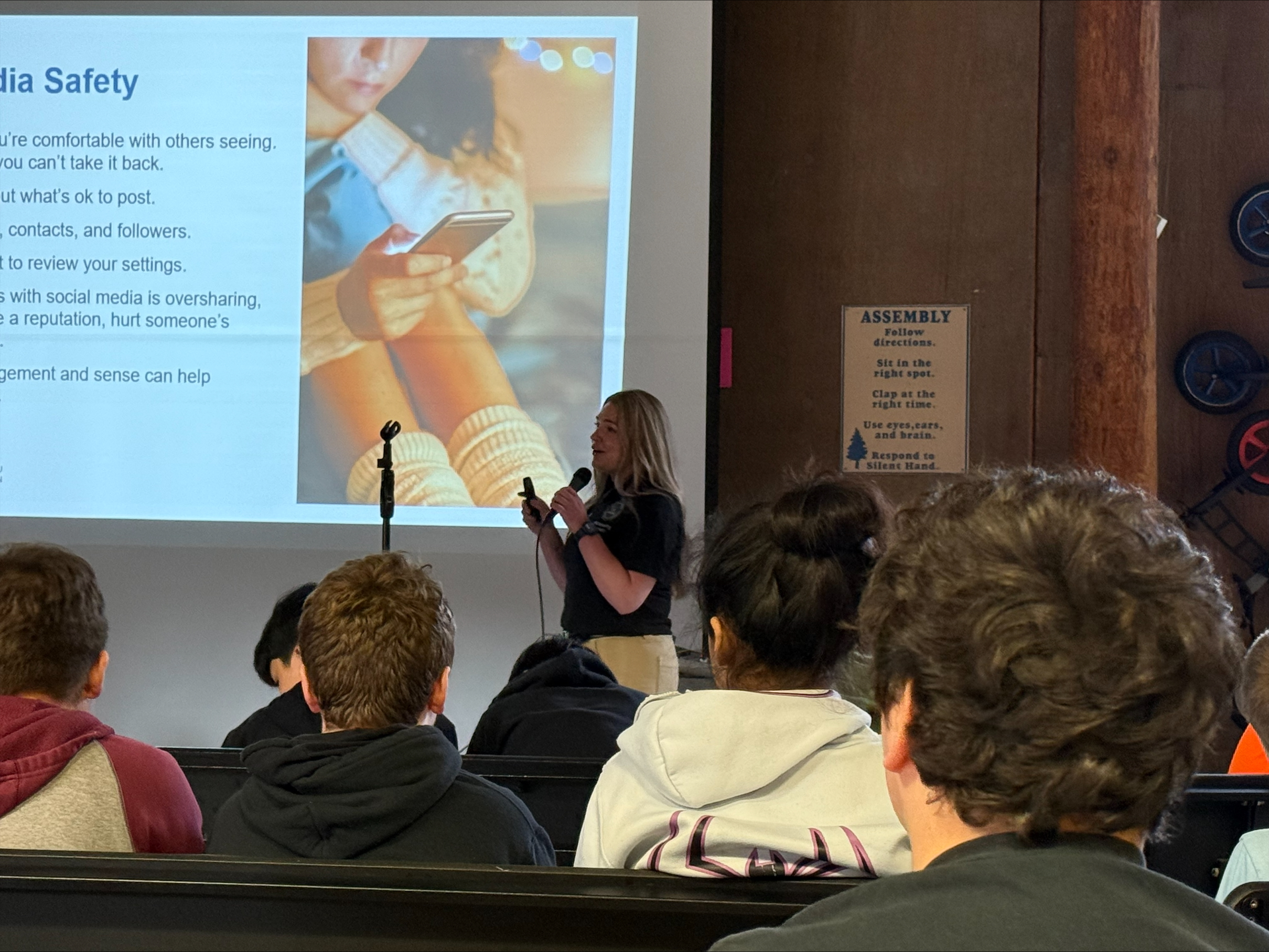
- Summit Topics: Panels and expert presentations addressed essential subjects like social media safety, cyberbullying, human connection, screen addiction, technology misuse, privacy, and cybersecurity.
- Community & School Engagement: The event was supplemented by community nights, specialized training for partner organizations working with youth, and direct presentations by guest experts to students in grades 4–12.